Green Grow Light: Shedding Light on Plant Growth
Plants need sunlight to grow, but what happens when they don't get enough? Enter the green grow light, a popular solution for indoor gardeners looking to provide their plants with the right amount of light to keep them healthy and growing strong. In this blog post, we'll explore everything you need to know about green grow lights, from how they work to the benefits they offer.
What is a Green Grow Light?
A green grow light is a type of LED light that emits green light in the 500-600nm wavelength range. These lights are designed to be used as a supplement to natural sunlight or as a replacement for it in indoor growing environments.
How do Green Grow Lights Work?
Green grow lights work by providing plants with the specific wavelengths of light they need to grow. Plants absorb different colors of light at different rates, with red and blue being the most important for photosynthesis. However, green light is also crucial for plant growth, as it helps regulate plant morphology and stimulates chlorophyll production.
When plants receive light from a green grow light, they can use the energy from the green light to power their growth processes, just like they would with sunlight.
Benefits of Green Grow Lights
Using green grow lights in your indoor garden can offer a number of benefits, including:
- Improved plant growth and yield
- Reduced energy costs compared to traditional grow lights
- Increased control over plant growth cycles and conditions
- Better health for plants, thanks to the balanced spectrum of light provided by green grow lights
In the following sections, we'll dive deeper into these benefits and explore other aspects of green grow lights you should consider before using them in your own indoor garden.
Types of Green Grow Lights
There are two main types of green grow lights: broad-spectrum and narrow-spectrum.
Broad-Spectrum Green Grow Lights
Broad-spectrum green grow lights emit light across a wide range of wavelengths, including red, blue, and green. These lights are ideal for use in all stages of plant growth, from seedling to flowering.
Narrow-Spectrum Green Grow Lights
Narrow-spectrum green grow lights, on the other hand, emit light only in the green wavelength range. These lights are best used in conjunction with other types of grow lights, such as red or blue LEDs, to provide plants with a balanced spectrum of light.
Choosing the Right Green Grow Light
When choosing a green grow light for your indoor garden, there are several factors to consider, including:
- The size of your growing space
- The type of plants you're growing
- Your budget
Size of Growing Space
The size of your growing space will determine how many green grow lights you need and what wattage they should be. As a general rule, you'll need 25-50 watts of light per square foot of growing space.
Type of Plants
Different types of plants have different lighting needs. For example, leafy greens like lettuce and spinach require less light than fruiting plants like tomatoes and peppers. Make sure you research the lighting requirements of the plants you're growing before selecting a green grow light.
Budget
Green grow lights can range in price from under $20 to over $200. While it may be tempting to go for the cheapest option, keep in mind that higher-quality lights will generally offer better performance and last longer.
Setting Up Your Green Grow Light
Once you've selected your green grow light, it's time to set it up in your growing space. Here are some tips to help you get ed:
- Hang the light at the appropriate height: The distance between the light and your plants will depend on the wattage of your light and the stage of growth your plants are in.
- Use a timer to control the light cycle: Plants need a certain amount of darkness each day, so make sure you're providing them with a consistent light cycle.
- Keep your grow space cool: Green grow lights can produce heat, so make sure your growing space is properly ventilated to prevent overheating.
Common Myths About Green Grow Lights
There are several myths about green grow lights that have been circulating in the indoor gardening community. Let's take a look at some of the most common ones and debunk them once and for all.
Myth: Green grow lights are harmful to plants.
This myth likely stems from the fact that green light is not as important for photosynthesis as red or blue light. However, green light is still crucial for plant growth, and using a green grow light will not harm your plants.
Myth: Green grow lights are less efficient than other types of grow lights.
While it's true that green light is not as important for photosynthesis as red or blue light, that doesn't mean it's less efficient. Green grow lights are specifically designed to provide plants with the wavelengths of light they need to grow, so they are just as effective as other types of grow lights.
Myth: Green grow lights are only useful for plants in the vegetative stage.
While green light is particularly important for plant morphology and chlorophyll production during the vegetative stage, it is also beneficial for plants in other stages of growth. Using a green grow light throughout the entire growth cycle can help improve overall plant health and yield.
Green grow lights are a great solution for indoor gardeners looking to supplement or replace natural sunlight. By providing plants with the specific wavelengths of light they need to grow, green grow lights can help improve plant growth and yield while reducing energy costs. When selecting a green grow light, keep in mind factors like the size of your growing space and the type of plants you're growing. And remember, while there are some myths about green grow lights out there, they are a safe and effective way to help your plants thrive.
Frequently Asked Questions
Q1: How long should I leave my green grow light on each day?
A: The amount of time you should leave your green grow light on each day will depend on the stage of growth your plants are in. As a general rule, most plants need 12-16 hours of light per day during the vegetative stage and 8-12 hours of light per day during the flowering stage.
Q2: Can I use a green grow light as my only source of light for indoor gardening?
A: While green grow lights can be used as a supplement to natural sunlight, they are not recommended as the only source of light for indoor gardening. Plants also require red and blue wavelengths of light for photosynthesis, so it's important to provide them with a balanced spectrum of light.
Q3: Can I use a green grow light with other types of grow lights?
A: Yes! In fact, using a combination of different types of grow lights can help provide plants with a more balanced spectrum of light, which can lead to better growth and yield.
Q4: Do green grow lights produce heat?
A: Yes, green grow lights can produce heat. Make sure your growing space is properly ventilated to prevent overheating.
Q5: Are green grow lights expensive to operate?
A: Green grow lights are generally less expensive to operate than traditional grow lights, thanks to their energy-efficient LED technology.
Q6: How do I know if my plants are getting enough light from my green grow light?
A: Keep an eye on your plants for signs of stress or stunted growth. If you notice any issues, try adjusting the height or wattage of your green grow light.
Q7: Do I need different types of green grow lights for different stages of plant growth?
A: No, you can use the same green grow light throughout all stages of plant growth. However, some growers prefer to use a combination of different types of grow lights to provide plants with a more balanced spectrum of light.
Q8: Can I use a green grow light for outdoor gardening?
A: While green grow lights are designed for indoor use, they can be used for outdoor gardening as well. However, keep in mind that natural sunlight is generally the best source of light for outdoor plants.
Q9: How long do green grow lights last?
A: Green grow lights can last anywhere from 20,000-50,000 hours, depending on the quality of the light and how often it's used.
Q10: Can green grow lights be harmful to humans?
A: No, green grow lights are not harmful to humans. In fact, they are commonly used in offices and homes as decorative lighting.
11 Green grow light Images

DIY PVC Grow Light Stand In 2020 Grow Light Stand Grow Lights

18 Starter Grow Light Stand Small Countertop Grow Lights Grow

Full Spectrum Led Grow Lights Amazon Landscapinglightsamazon Best

Vermicomposting How To Fertilize With Worm Castings Earthworms

Led Grow Lights Wavelength Effect Led Grow Lights Grow Lights For

Vihervalo Grow Lights Indoor Grow Lights Small Space Gardening

How To Grow Plants With LED Lights African Violet Light Standafrican

T5 Fluorescent Grow Lights And Tabletop Garden Starter Kit Grow Light

How To Build Easy Grow Light Shelves Grow Lights For Plants Grow

Pin On LED Grow Light Reviews
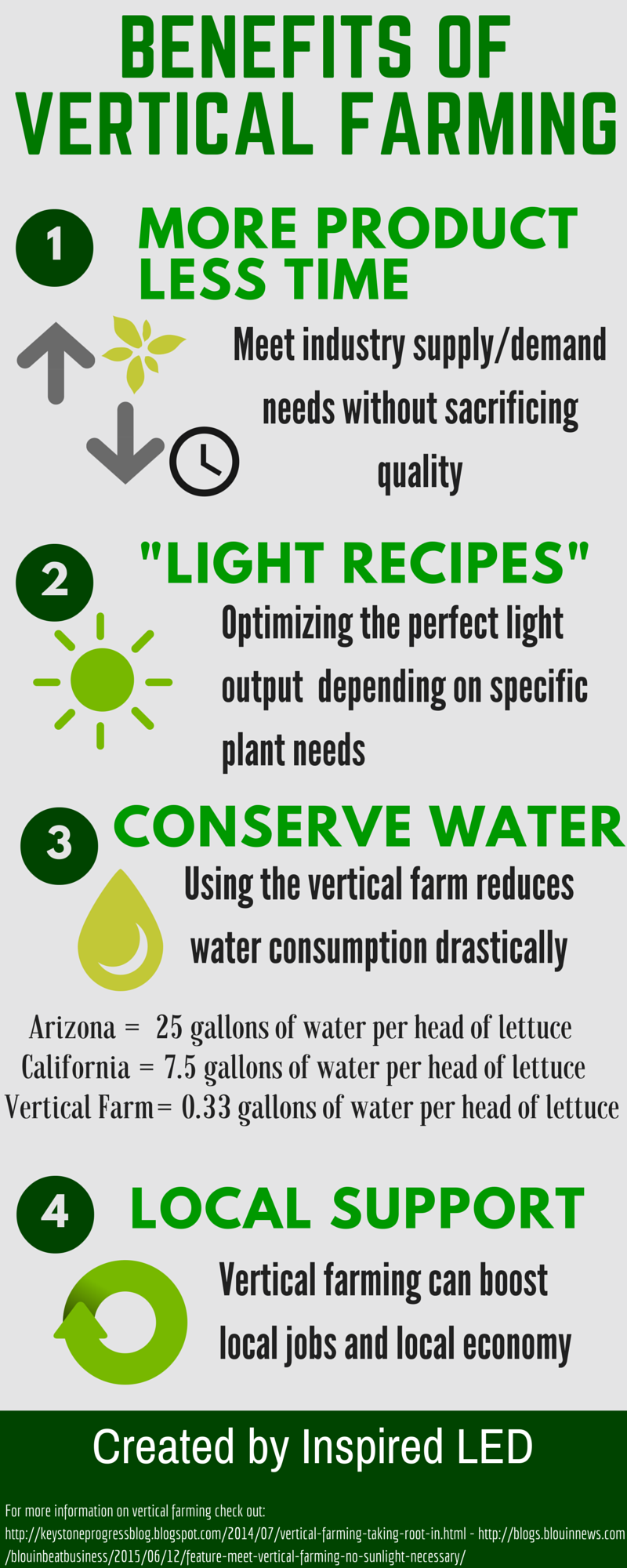
Vertical Farming Farming Technology Farming System
Posting Komentar untuk "Green Grow Light: Shedding Light on Plant Growth"